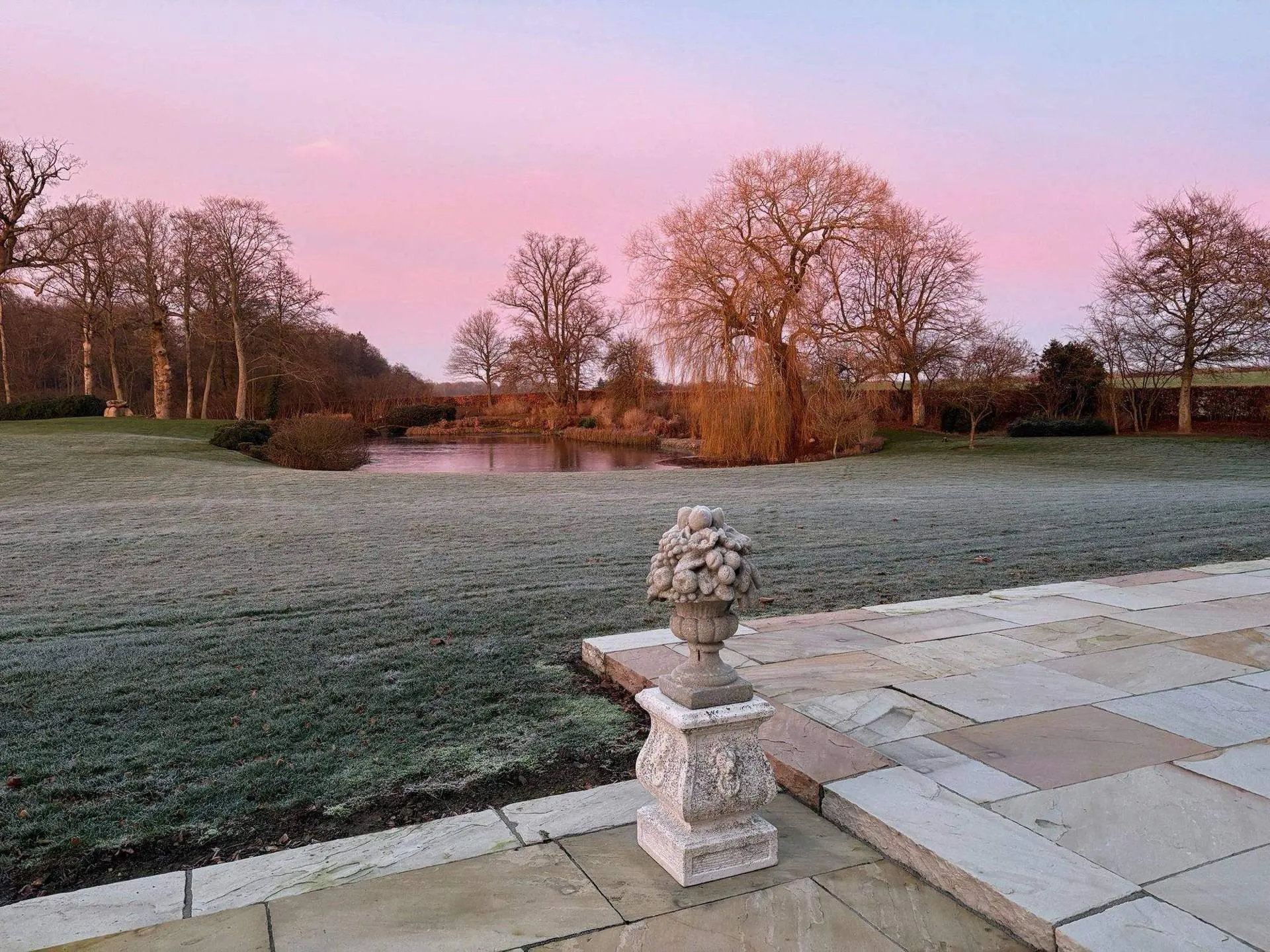
Our History
Over 800 years of history, from monastery estate to manor
Soul and History
Ødemark Gods has roots dating back to the Middle Ages and can be traced through hundreds of years of ownership changes, local initiatives, and shifts in land use. From monastery estate to royal domain to privately owned manor: a history spanning eight centuries.
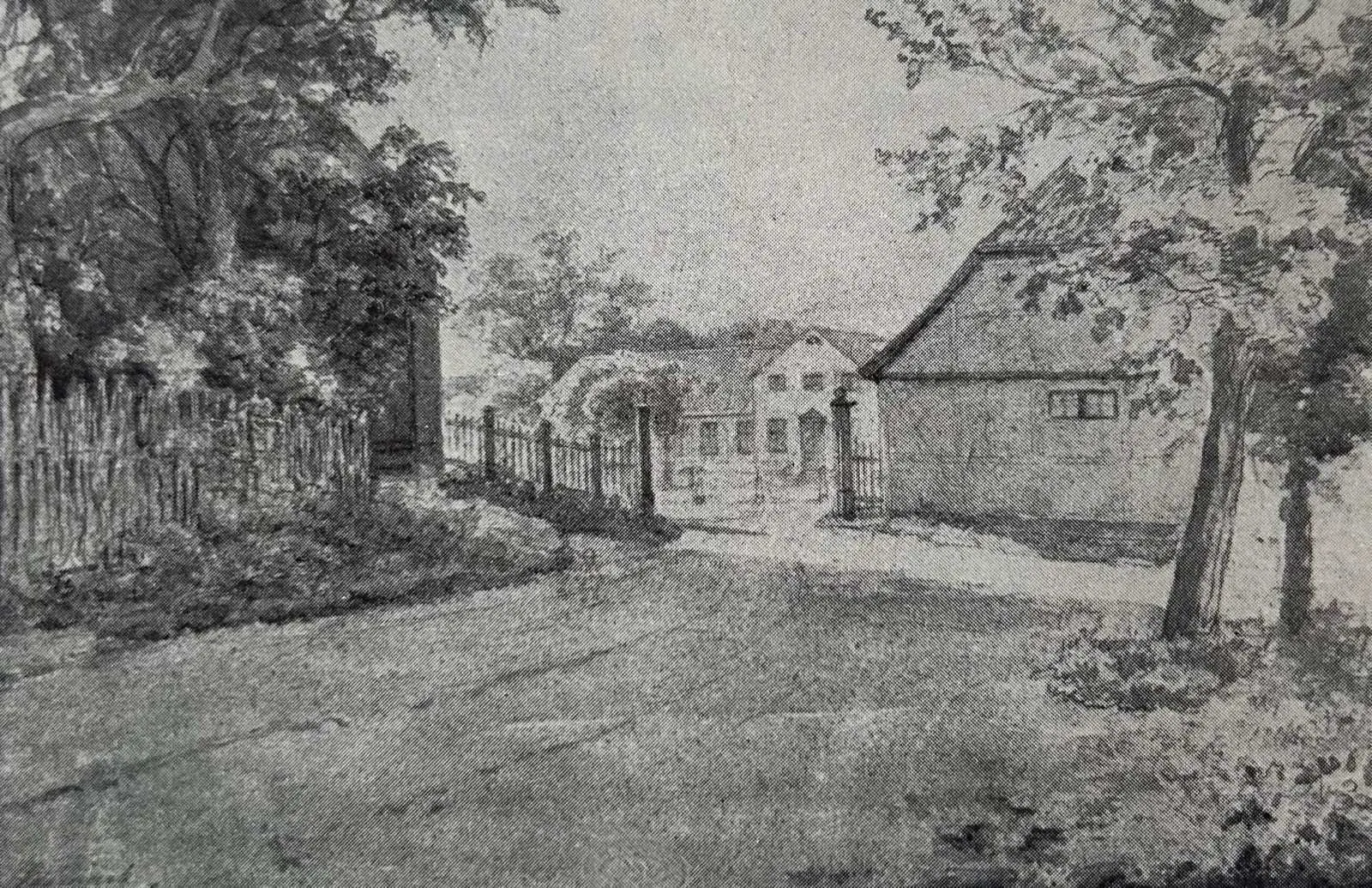
Øthemark and Sorø Monastery
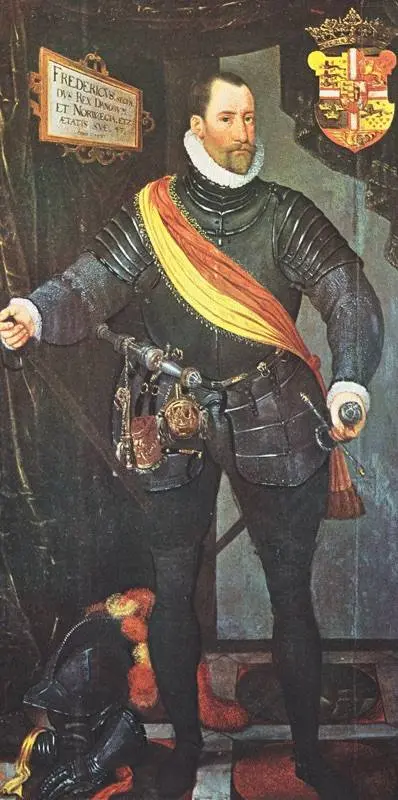
The Reformation and the Crown's Takeover
The Boundary Stone
After the Reformation in 1536, the Crown took over Antvorskov Monastery, and Frederik II established Antvorskov Vildtbane, a large royal hunting ground where hunting was reserved for the king alone, with severe penalties for anyone who illegally took game. The hunting ground ran in a great arc around Antvorskov Castle: from the Great Belt south of Drøsselbjerg, south of Havrebjerg, along the Tudeå river north of Nordruplund Forest, then south and west around Sorø Lake to Kirkerup and Tingjellinge, continuing west to Korsør Nor, where it ended at the Great Belt at Frølunde Fed. The boundary of the hunting ground was marked with stones, and one of the original boundary stones still stands on Ødemark Gods today. Carved into the stone is a crown, F 5 for Frederik V, the year 1761, and the letters AWB for Antvorskov Vildtbane. The stone once served as a doorstep at a now-demolished house on the border between Bromme and Tersløse, but today stands in the courtyard in front of Ødemarksgaard.
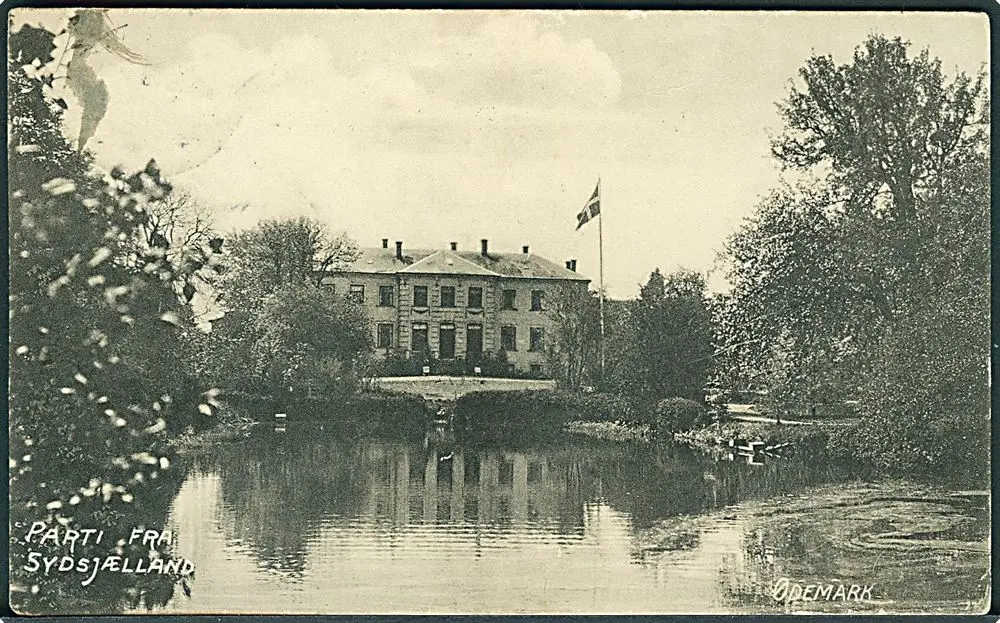
Jens Lassen and the Admiral's Estate
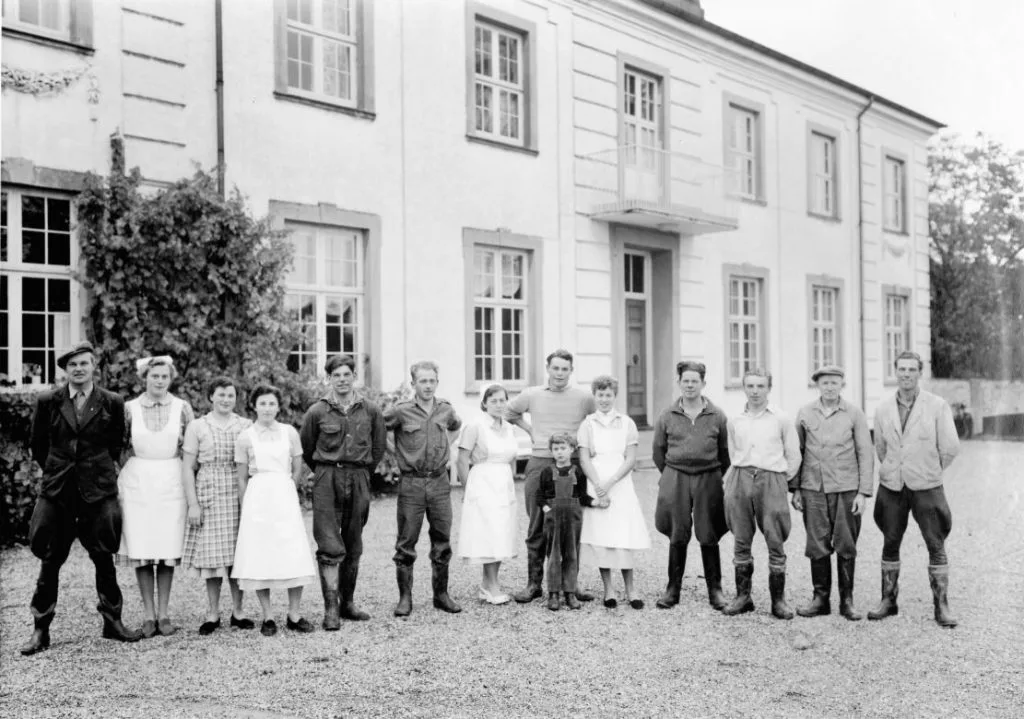
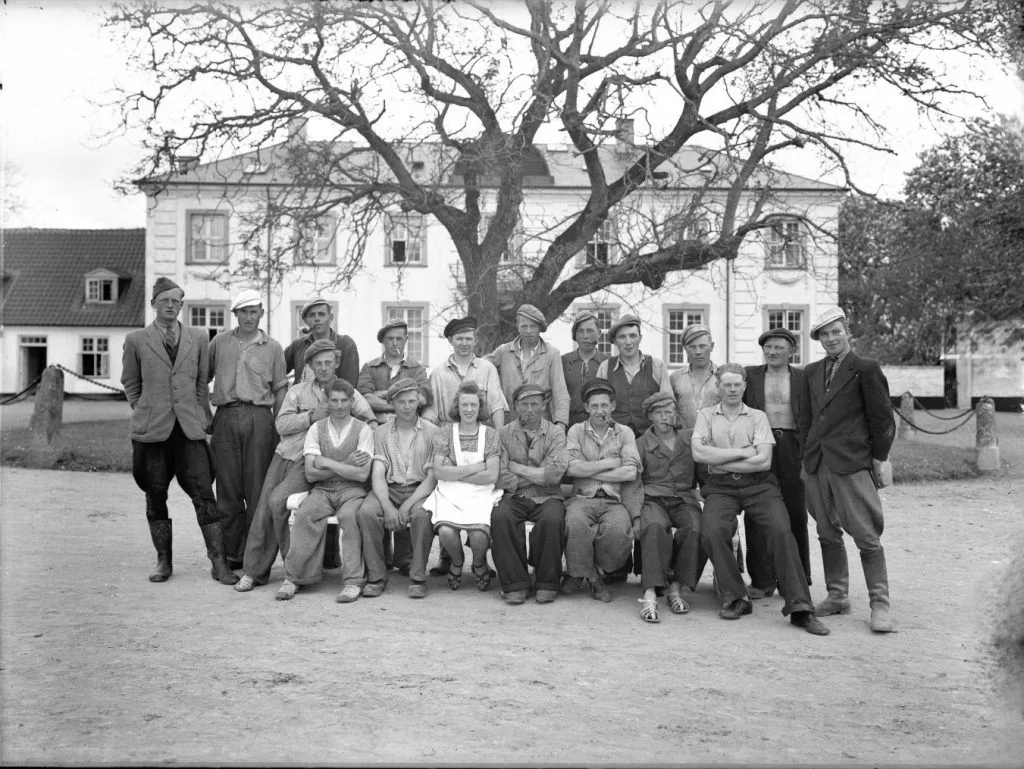
Urban Bruun and Ødemark Hospital
Frequent Changes of Ownership
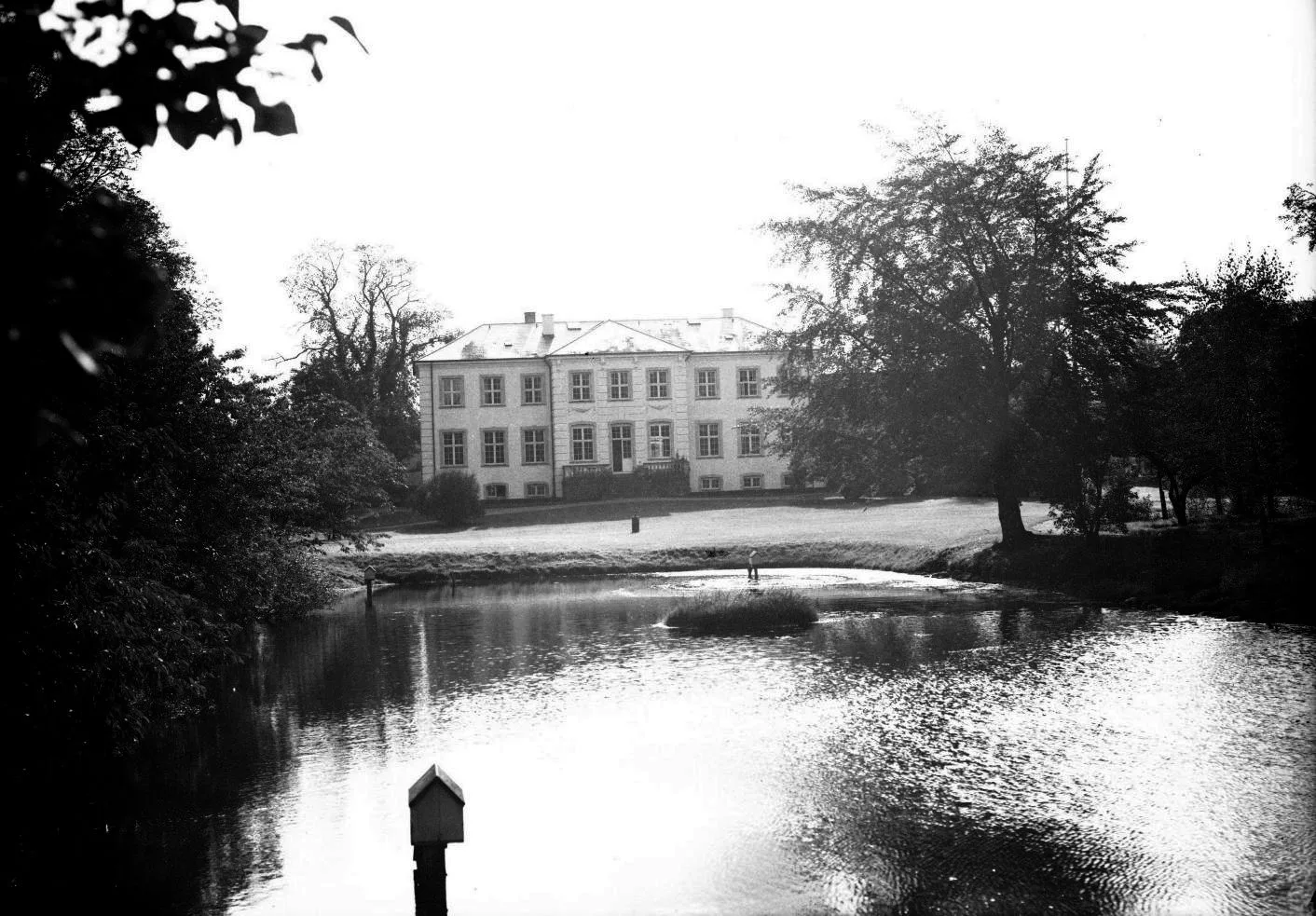
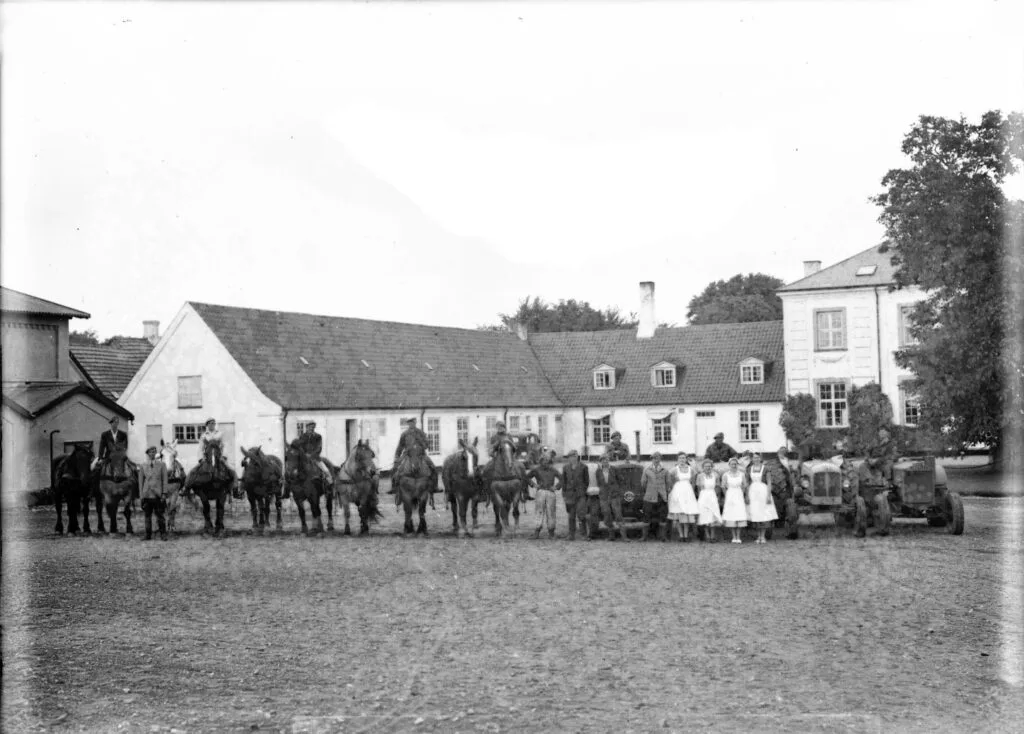
The Petersen Family and New Owners
Ødemark Today